Escaping Analysis Paralysis
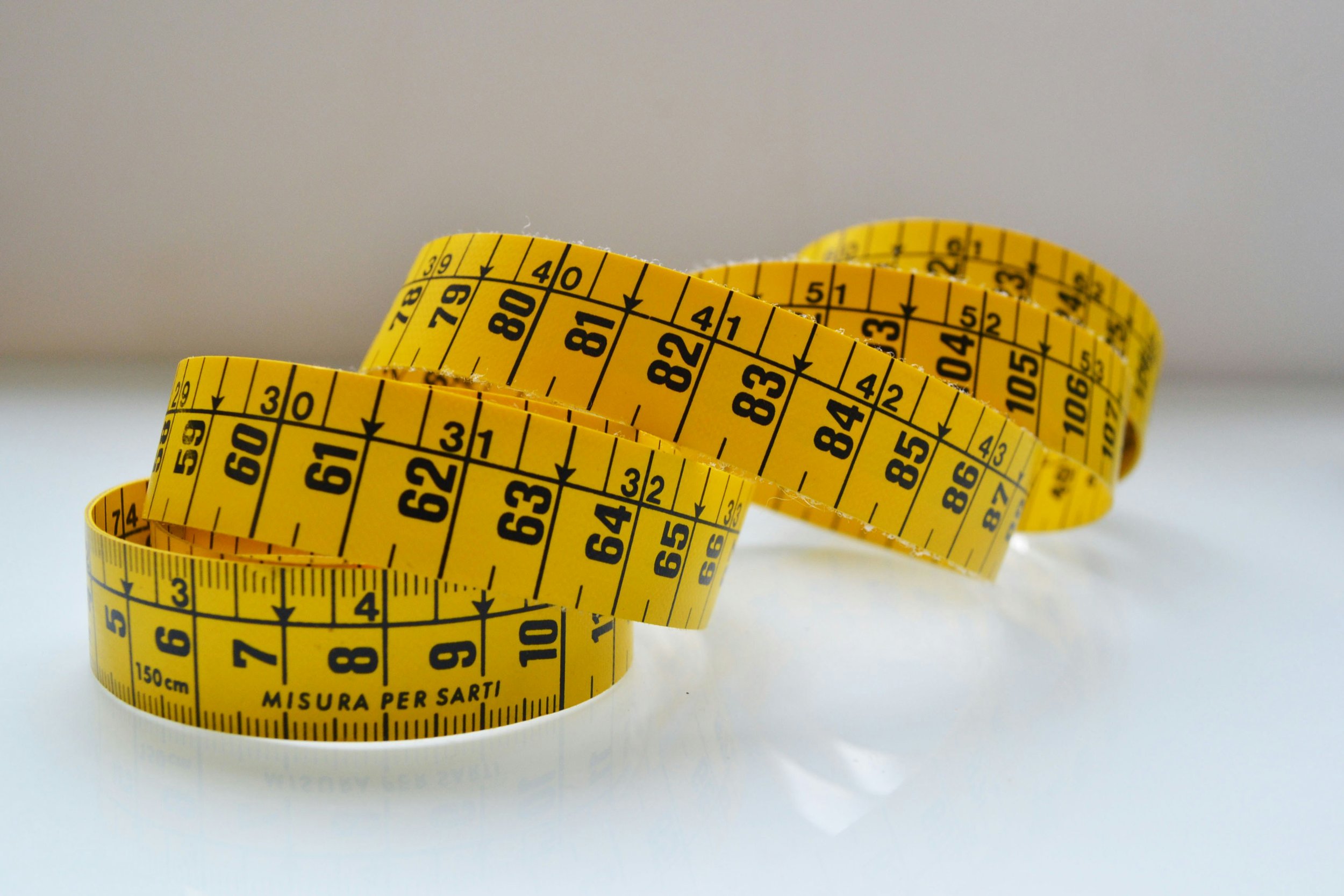
Photo by Patricia Serna on Unsplash
Becoming My Own Superhero — Part 7
I remember when I first started my fitness journey. I thought, just like many others, that numbers would be my greatest ally.
The scales. The InBody scans. The calorie trackers.
They all promised to give me clarity, proof, and progress. And for a while, they did. A drop in weight or an increase in muscle mass could fuel my motivation for days.
But over time, I realised that numbers can also become a trap.
I call it analysis paralysis.
Instead of enjoying the process, I found myself obsessing over weigh-ins — checking data too often and questioning whether the numbers were really moving quickly enough.
And if they weren’t, my mood would plummet.
Training twice a day, tracking every bite, and waiting for InBody results became less about progress and more about validation, slowly sucking the joy out of what I loved.
At one point, I even created an entire spreadsheet to log every detail — weight, reps, macros, hydration, sleep.
What started as accountability had quietly turned into an obsession.
The problem wasn’t the data. It was my relationship with it.
The Highs of Tracking
Don’t get me wrong — tracking data can be powerful. It teaches awareness, discipline, and patience. Metrics show us where we stand, highlight trends, and offer a roadmap for growth.
Seeing my body fat percentage go down or my muscle mass increase was encouraging. It gave me reassurance that my effort was paying off — especially in those early stages when physical change seemed slow.
The data helped me spot patterns. It showed me how my body reacted to adding more carbs, upping protein, or adjusting my sleep. Without it, I wouldn’t have learned how small tweaks could make a big difference.
That’s the good side of tracking. It gives you insight.
But what no one tells you is that it can also quietly steal your joy.
The Lows of Obsession
The dark side of metrics is when they start to dictate your self-worth.
Something I learned the hard way.
One “bad” weigh-in could ruin my day. A simple scan showing no muscle growth left me questioning whether I was even trying hard enough.
I’d compare myself to others who seemed to transform faster, forgetting that everybody is different.
The more I focused on data, the less I trusted myself. Somewhere along the line, I stopped asking:
How do I feel? Am I stronger? Am I happier?
Progress became invisible unless a number confirmed it. Even when I felt fitter or slept better, I dismissed it because the scale didn’t move.
What used to be my therapy — my time to breathe, reset, and re-energise — had become another metric to measure.
And that’s when I knew something had to change.
Finding Balance
The breakthrough came when I decided to step back.
I stopped weighing in every week and moved to every two weeks. I stopped training twice a day and started listening to my body instead of punishing it.
I accepted that not every number needed to move in the “right” direction for me to be doing well.
That shift changed everything.
Training became fun again. I remembered why I started in the first place — not to chase numbers, but to chase peace.
The gym was never meant to be a scoreboard. It was my sanctuary.
Progress isn’t just about the data. Progress is about consistency, mindset, and confidence.
I now see the numbers for what they are: information, not identity.
I have come to realise that a single result should not define me, and it does not erase the effort I’ve put in.
Escaping the Trap
If you’ve ever found yourself stuck in analysis paralysis, here’s what helped me escape:
Space out the numbers: Weigh in or scan less often. Progress is a marathon, not a daily sprint.
Look beyond the data: Celebrate better sleep, improved form, or simply showing up.
Detach from comparison: Your body. Your timeline. Your rules.
Remember your “why”: You started for a reason — don’t let the numbers make you forget it.
Metrics aren’t the enemy.
But when we let them define us, they strip away the very thing we’re chasing — fulfilment.
Legacy Over Numbers
“It’s not about me. It’s not about you. It’s about what we choose to leave behind.”
— T’Challa, Black Panther
This line always stops me in my tracks.
It’s a reminder that legacy isn’t built on data points or body scans. It’s built on how we treat ourselves, how we grow, and the mindset we choose to carry forward.
For me, my fitness legacy is to leave behind a mindset rooted in patience, not perfection.
A journey driven by joy, not judgment.
Progress shouldn’t just be measured in kilograms or percentages.
Sometimes, progress is stepping away from the numbers — and rediscovering the joy in the journey.
That’s the real victory.